
Autoimmune support in Chesterfield, MO
Supportive chiropractic, nutritional, and lifestyle care for people managing complex autoimmune conditions. Alongside your medical team, never in place of it.
An autoimmune condition is diagnosed, monitored, and medically managed by a physician or rheumatologist. That is their work, and we do not step into it. What patients with rheumatoid arthritis, lupus, psoriatic arthritis, ankylosing spondylitis, Hashimoto thyroiditis, multiple sclerosis, and inflammatory bowel conditions often find is that the medical plan handles the disease process while a great deal of daily physical misery goes unaddressed. Joints that ache and stiffen. A spine that has stopped moving well. Nerve symptoms in the hands and feet. Muscles that guard constantly. Sleep that never quite restores. That gap is where we work.
What supportive care actually means
We are clear about the boundary because you deserve clarity. We do not treat autoimmune disease, we do not claim to reverse it, and we do not ask anyone to change or stop a prescribed medication. We support the person carrying it. That means restoring motion to joints that have gotten stuck, calming the muscular guarding that builds around inflamed areas, addressing nerve irritation where the spine is contributing to it, and giving you nutritional and lifestyle guidance that supports general health rather than promising to fix a diagnosis.
This is also why the practice exists in the form it does. Bonesetters takes complex cases, and complex usually means a patient arrives with several things happening at once. Long, unhurried visits are not a marketing line here. When a history includes an autoimmune diagnosis, three medications, a decade of symptoms, and two previous chiropractors, a fifteen minute appointment cannot see the pattern.
How we work with these cases
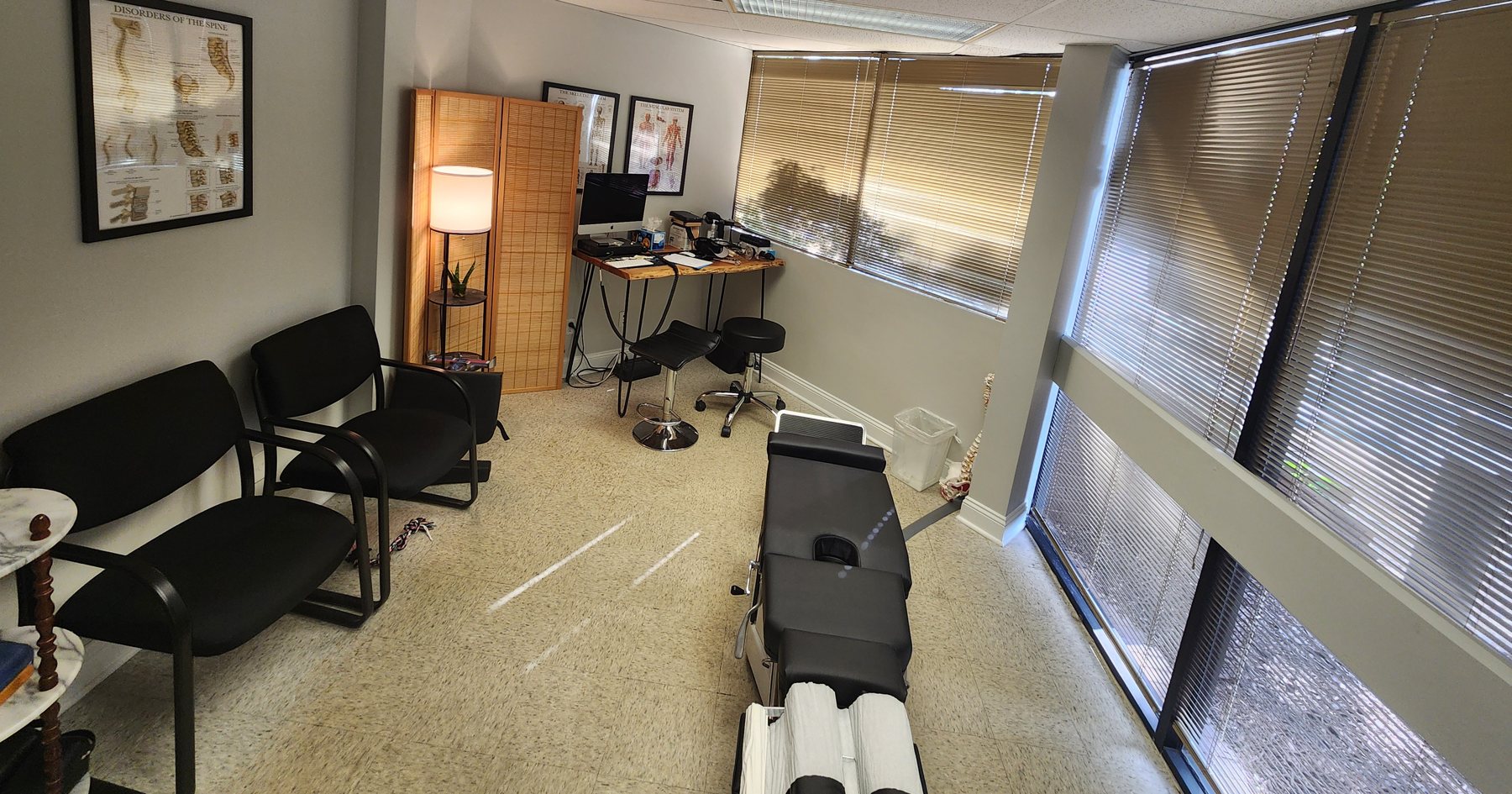
Technique selection matters more than usual here. Some autoimmune conditions affect bone density, joint stability, or connective tissue, which rules out forceful adjusting. Dr. Hayes uses gentle, low-force methods in those cases: the PulStar computer-guided adjusting system, which delivers light multi-impulse percussion and gives a real-time analysis of how each segment is responding, along with the Impulse and Activator handheld instruments. There is no twisting and no cracking. For patients who need an even lighter approach, Sacro Occipital Technique uses pelvic blocking to balance the sacrum and skull, and Logan Basic works through very light contact at the sacrum.
Supportive therapies round it out. Class IV cold laser is FDA cleared photobiomodulation that helps calm local inflammation and accelerate tissue repair. Intersegmental traction on the roller table, therapeutic ultrasound, and shortwave diathermy warm and mobilize tissue so an adjustment holds longer in a body that fights to stiffen back up. When symptoms include burning or numbness in the hands and feet, we evaluate whether the pattern is a neuropathy problem we can address directly. For patients whose cases involve headaches, chronic tension, or cranial and upper cervical involvement, cranial therapy is often part of the plan.
Nutrition and lifestyle guidance
Nutritional counseling here is general health guidance, not disease treatment. We look at what you are eating, how you are sleeping, how much you are moving, and how stress is loading your system, because those inputs affect how anyone feels regardless of diagnosis. Recommendations are practical and specific to you, and they are always something to discuss with the physician managing your condition. If a supplement could interact with your medication, that is a question for the prescriber, and we will tell you to ask.
What we will not do. We will not diagnose an autoimmune condition, promise to reverse one, or position this care as a replacement for medical management. If the examination tells us supportive care is unlikely to help your case, or that hands-on work is not appropriate for you, we will say so at that visit.
What a visit looks like
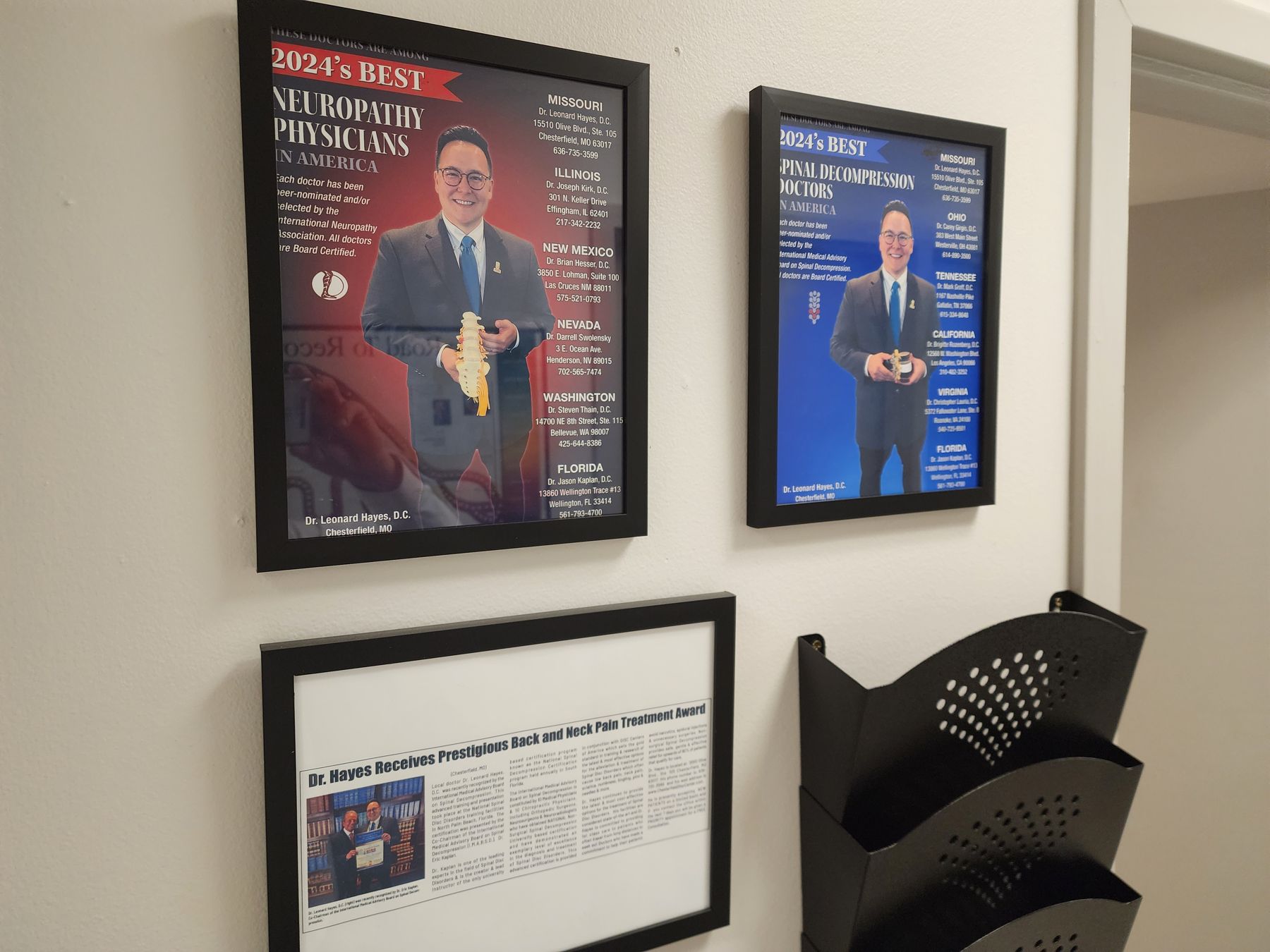
Care begins with the sixty minute examination: a full history including your diagnosis, medications, and prior care, then neurological, physical, and orthopedic testing. Dr. Hayes, who trained under Dr. Patrick Montgomery and was recognized in 2024 as a top United States specialist for spinal decompression and neuropathy treatment, is looking for what is mechanically wrong and what is safe to address. Nothing is rushed and no stone is left unturned. You leave that visit knowing what he found, what supportive care could reasonably do for you, and what the full scope and cost would be.
Follow-up visits are typically gentle adjusting plus whatever supportive therapy your case calls for, adjusted as your symptoms shift. Flares happen with these conditions, and the plan flexes around them rather than pretending they will not.
Questions, answered
Can chiropractic care cure an autoimmune condition?
No, and we will never tell you otherwise. Autoimmune disease is diagnosed and managed by your physician or rheumatologist. What we offer is supportive care aimed at the musculoskeletal pain, stiffness, nerve symptoms, and physical strain that come along with these conditions, so that the body you have to live in day to day is more comfortable.
Should I stop my medication or change my treatment plan?
Never on our advice. We do not diagnose autoimmune disease, we do not adjust medications, and we do not ask patients to stop anything their physician prescribed. Any change to your medical care is a conversation between you and the doctor managing it.
Is adjusting safe if I have joint inflammation or take a biologic?
It depends on your case, which is exactly why the examination comes first. Some autoimmune conditions affect bone density, joint stability, or connective tissue in ways that rule out forceful technique. When that is the case we use low-force instrument and light-touch methods instead, and if we do not believe hands-on care is appropriate for you at all, we will say so.
What kinds of autoimmune patients do you see?
People managing rheumatoid arthritis, lupus, psoriatic arthritis, ankylosing spondylitis, Hashimoto thyroiditis, multiple sclerosis, celiac disease, and inflammatory bowel conditions, among others. The diagnoses differ. The reason they come is usually the same: pain, stiffness, fatigue, and nerve symptoms that their medical care has not fully settled.
How do I know whether this is worth trying?
The sixty minute examination is the answer. Dr. Hayes takes a full history, tests neurological and orthopedic function, and tells you plainly what he believes supportive care can and cannot do for your situation before you commit to anything.
Find out what supportive care can do for you.
One examination gives you an honest answer. Book online or call the office and we will take a proper look.