
Diabetic neuropathy treatment in Chesterfield, MO
Burning, numbness, and night pain in the feet and legs are nerve problems, so we treat the nerve. A dedicated, non-surgical protocol built around electroanalgesia, cold laser, and circulation.
Diabetic neuropathy usually starts quietly. A little numbness in the toes, a sock that feels bunched when it is not, a burning that shows up after dark and keeps you awake. Over time it climbs: the feet, then the ankles, then the calves. Balance gets unreliable. Small injuries go unnoticed because the warning system that should report them has stopped reporting.
Two things drive that damage. Sustained high blood sugar is toxic to peripheral nerve tissue, and the same process narrows the microscopic vessels that feed those nerves. A nerve that is starved of blood cannot repair itself no matter how carefully you manage your numbers. That is the piece most neuropathy care leaves untouched, and it is where our protocol goes to work.
What we are actually treating
Medication for neuropathy is aimed at the signal. Gabapentin, pregabalin, and duloxetine change how loudly the nerve reports pain; they do nothing for the tissue itself or for the blood supply feeding it. That is a legitimate role, and many of our patients stay on those prescriptions under their physician's direction while they are here. Our target is different: restore circulation to the affected nerve, stimulate the nerve tissue directly, and clear the mechanical interference that adds to the load.
That last point matters more than most patients expect. Diabetic nerve damage frequently rides alongside lumbar nerve root compression, and the two feed each other. A nerve already compromised at the foot tolerates far less irritation at the spine. Your examination checks both ends of the pathway, which is why some diabetic neuropathy plans here include spinal work and some do not.
The three tools, and what each one does
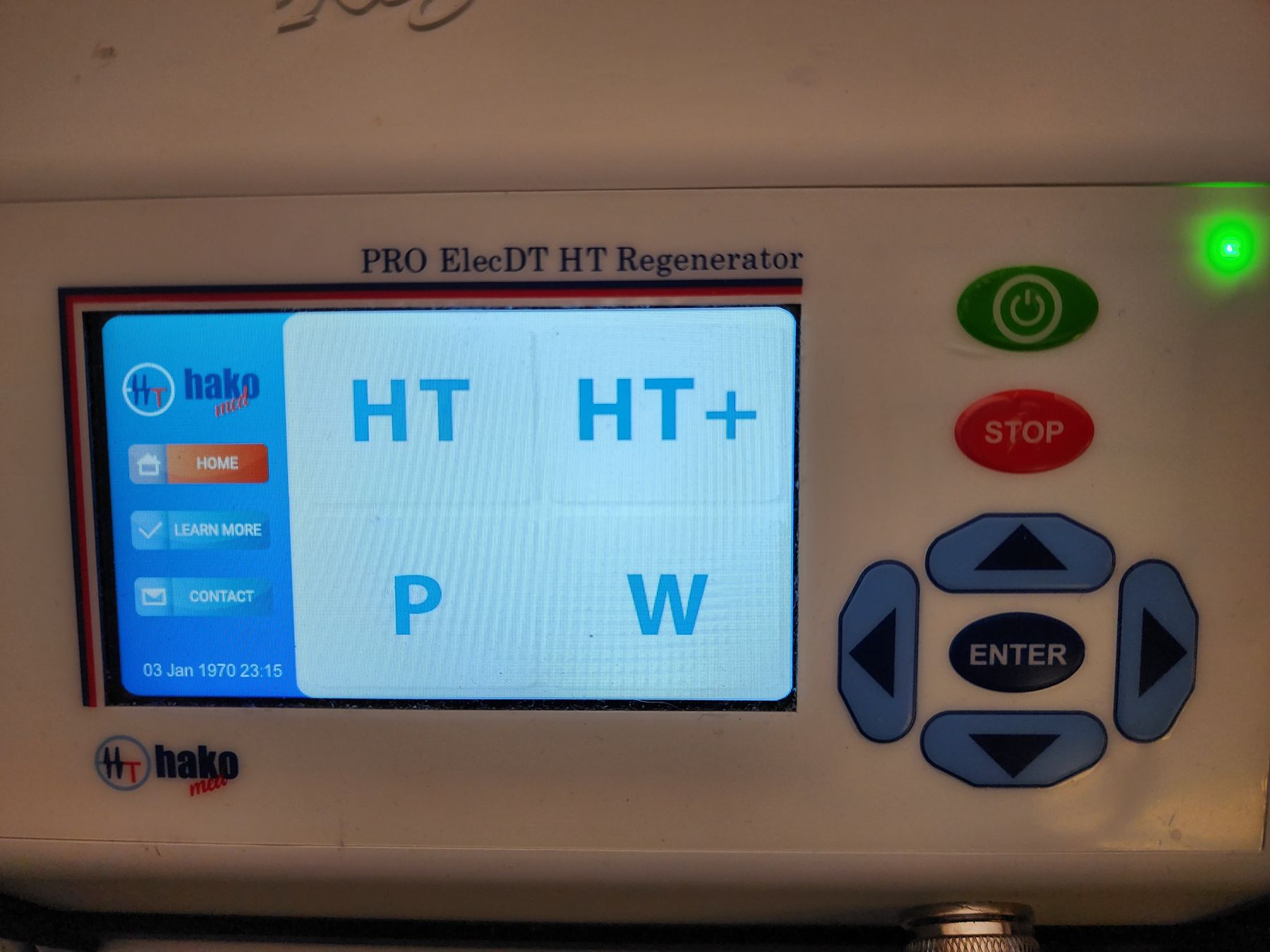
Electroanalgesia. The hako-med PRO ElecDT HT delivers horizontal therapy, and the Neuragene system delivers electroanalgesic current specifically for peripheral nerve support. These are not the buzzing TENS pads sold at the pharmacy. The current is designed to reach nerve tissue at depth, drive local blood flow, and quiet the pain signaling that keeps you up at night. This is the backbone of the protocol.
Cold laser. Class IV laser is photobiomodulation: light energy absorbed by the cells to accelerate tissue repair and calm inflammation. It is FDA cleared. Applied along the affected nerve pathways of the feet and lower legs, it supports the repair work that compromised circulation has been preventing.
Circulation support. Nerves heal at the speed their blood supply allows. Alongside the electrical and laser work, treatment includes therapies that warm and mobilize the tissue of the lower legs and feet, plus specific guidance on movement and foot care between visits. Progress here depends on what happens across the week, not only on the hour you spend in the office.
Who this helps
- Burning, stabbing, or electric pain in the feet and lower legs, often worse at night
- Numbness, or the sensation of walking on a rolled sock or thick padding
- Pins and needles, crawling, or unpredictable hypersensitivity to bedding and socks
- Loss of balance, particularly in the dark or on uneven ground
- Cold feet, poor color, or slow healing in the lower extremities
- Patients told to manage symptoms with medication and wait, with no plan for the nerve itself
We work alongside your medical care, not instead of it. Blood sugar management, medication decisions, and wound care belong with your physician and endocrinologist. Keep those appointments. If your examination reveals findings that need medical attention, Dr. Hayes will tell you plainly and in writing.
What a visit looks like
Care begins with the sixty minute examination: history, neurological testing of sensation and reflexes, physical and orthopedic testing, and a look at the vascular picture in the lower extremities. Dr. Hayes maps how far the damage has progressed and whether the spine is contributing before recommending anything. If the findings suggest this protocol will not help your case, he will say so at that visit.
Treatment visits are unhurried. Electroanalgesia runs while you sit comfortably, laser is applied along the mapped nerve pathways, and any spinal or circulatory work follows. Nothing about it is surgical, injected, or sedating, and you drive yourself home. Re-testing happens at set intervals so improvement is tracked against measurements rather than memory.
Dr. Hayes trained under Dr. Patrick Montgomery and was recognized in 2024 as a top United States specialist for spinal decompression and neuropathy care. Patients travel to Chesterfield from Ballwin, Creve Coeur, Ladue, Town and Country, and Des Peres for it, most of them after other care ran out of ideas. If your symptoms have no diabetic origin, start instead with peripheral neuropathy.
Questions, answered
Is this a cure for diabetic neuropathy?
No, and anyone who tells you otherwise is selling something. Diabetic neuropathy is nerve damage driven by blood sugar and blood supply, and our protocol works on the nerve and its circulation, not on your diabetes. The honest goal is better nerve function and less pain, alongside the blood sugar management your medical doctor directs.
Does the treatment hurt?
Most patients describe electroanalgesia as a deep, warm, pulsing sensation and cold laser as mild warmth or nothing at all. Neither breaks the skin and neither requires medication. If your feet are hypersensitive, we start at low intensity and build from there.
How long before I know whether it is working?
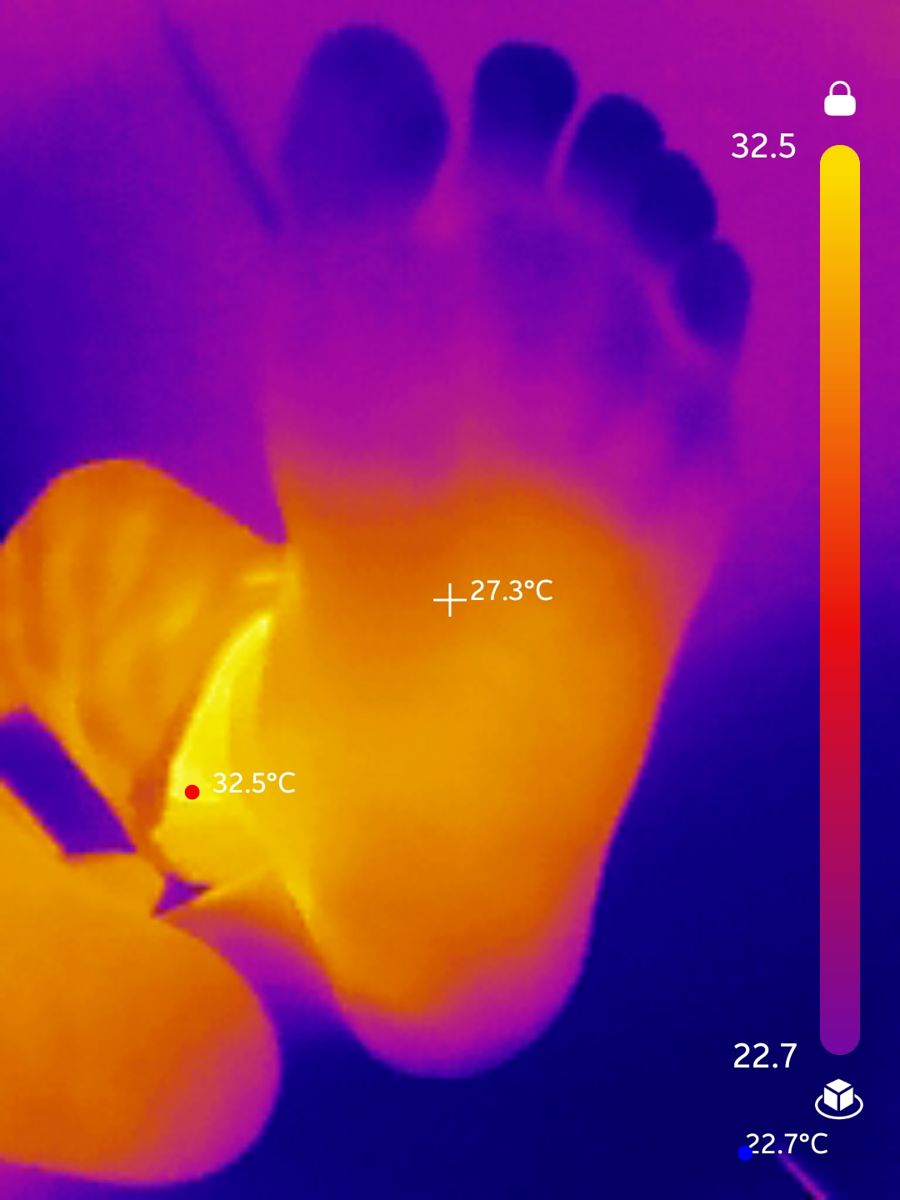
Nerve tissue repairs slowly, so this is measured in weeks and months, not days. Dr. Hayes re-tests sensation, reflexes, and thermal findings at set intervals rather than relying on how you felt that morning. If the objective measures are not moving, he will say so and change course.
I already take gabapentin. Can I still do this?
Yes. Our care is drug free and does not interact with your prescriptions. Any decision to change a medication belongs to the physician who prescribed it, and we will not advise you to stop anything on your own.
What if my neuropathy is not from diabetes?
The examination sorts that out. Chemotherapy, spinal nerve compression, thyroid disease, and B12 deficiency all produce similar symptoms and some need a different plan. If your case looks like general peripheral neuropathy rather than diabetic nerve damage, we treat it accordingly.
Find out what your nerves still have left.
One examination tells you how far the damage has gone and whether this protocol fits. Book online or call the office.