
Concussion recovery in Chesterfield, MO
When symptoms linger long after the impact, the neck is often part of the reason. We address that piece, working alongside your medical team.
Most people recover from a concussion within a few weeks. Some do not. Months later the headaches are still there, thinking feels slow and effortful, the neck aches at the base of the skull, screens and busy stores are exhausting, and balance is not quite what it was. When symptoms outlast the expected recovery window, there is a question worth asking that often goes unasked: how much of what remains is coming from the brain, and how much is coming from the neck?
The force that concusses a brain does not stop at the skull. A fall, a collision, a car crash, or a hard hit in sport whips the head on the neck, and the same event routinely injures the cervical spine along with the joints, ligaments, and small deep muscles that hold it. Injury to those structures can produce headaches, neck pain, dizziness, visual strain, and trouble concentrating. That list overlaps almost exactly with the symptoms of concussion itself, which is why the neck can go unexamined for months while everything gets attributed to the head injury.
Medical evaluation comes first, every time. A suspected concussion belongs with a physician, emergency department, or concussion specialist before it belongs with anyone else. Worsening headache, repeated vomiting, confusion, weakness, seizure, or unequal pupils are emergencies. We do not treat brain injury and we do not replace your medical team.
Where we fit in your care
Our role here is a supporting one and we keep it clearly defined. Once a concussion has been medically evaluated and is being managed, we address the musculoskeletal and mechanical injuries that came with it. That means working alongside the physicians, neurologists, physical therapists, and vestibular therapists already involved, sharing findings with them, and staying in our lane. Being one part of a team is the appropriate role for chiropractic in a case like this, and it is the only role we claim.
Why the upper neck matters so much
The joints between the skull and the first two vertebrae are among the most densely innervated structures in the body. They feed your nervous system a constant stream of information about where your head is, and that stream gets integrated with signals from the inner ear and the eyes. When those joints are restricted, irritated, or guarded after an impact, the information degrades and the three systems stop agreeing with each other. People feel that disagreement as fog, as visual effort, as a headache that starts at the base of the skull and wraps forward behind the eye, and as balance issues that show up in the dark or on uneven ground.
Restoring normal motion and calming the irritated tissue around those joints is a mechanical job, and it is one chiropractic is well suited to. It does not treat the brain. It addresses a mechanical source of symptoms that can otherwise go unexamined.
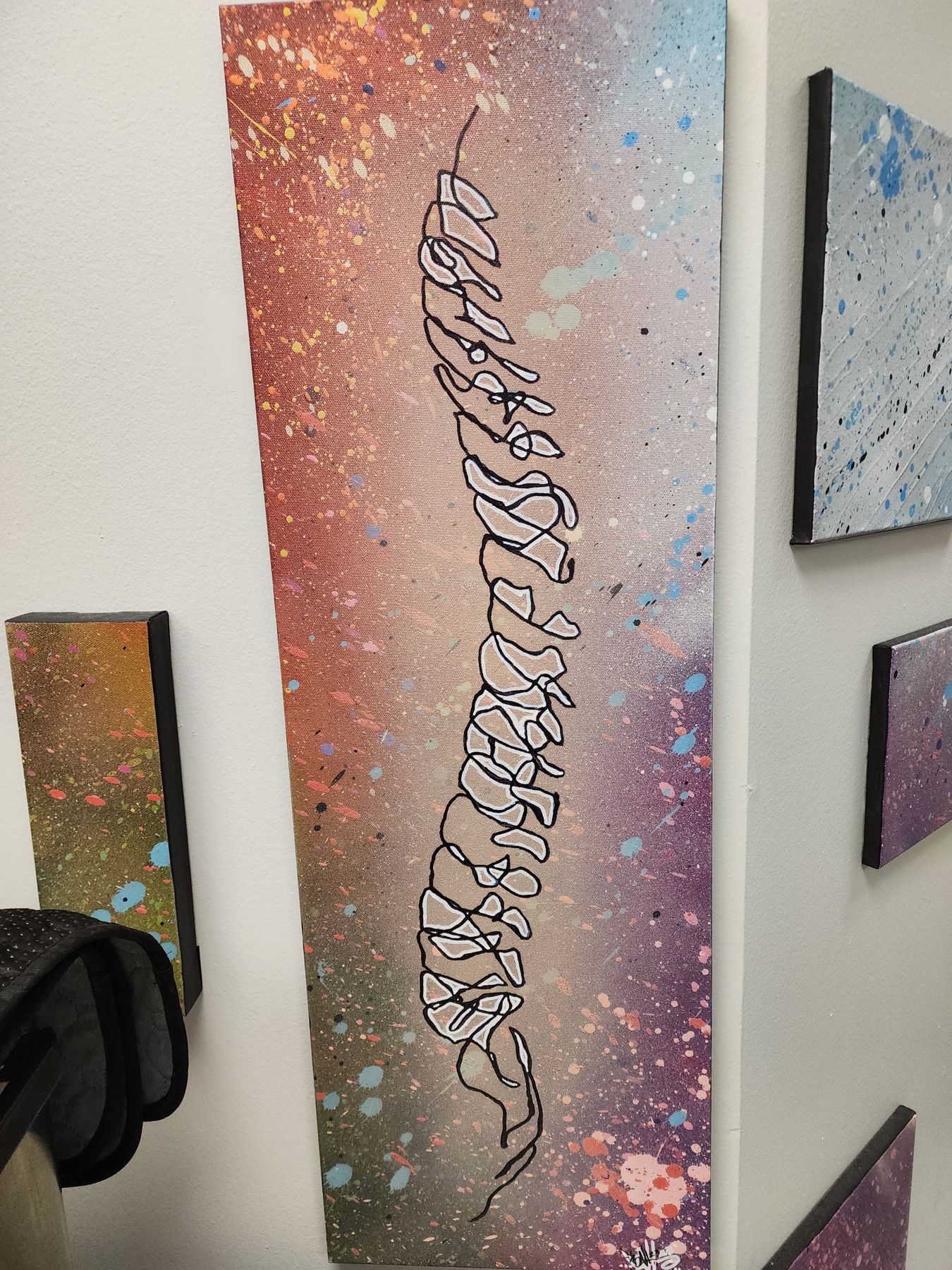
Cranial mechanics
Dr. Hayes is trained in Bio Cranial and Osteopathic Cranial technique, which use very light, sustained contacts on the skull and its muscular and membranous attachments. The intent is mechanical: to reduce tension patterns through the cranial and upper cervical structures that a head impact can leave behind, and that often show up as jaw tension, pressure behind the eyes, or a headache that never fully lets go. Our page on cranial therapy explains the approach in more detail. It is gentle enough that patients frequently fall asleep during it.
Who this is for
- Adults whose post-concussion headaches, fog, or neck pain have outlasted the expected recovery period
- Patients with dizziness or unsteadiness that has been medically evaluated and persists
- Whiplash and motor vehicle injuries where head and neck were both involved
- Athletes cleared medically but still not feeling right
- Anyone whose medical team has said the brain looks fine and cannot account for the remaining symptoms
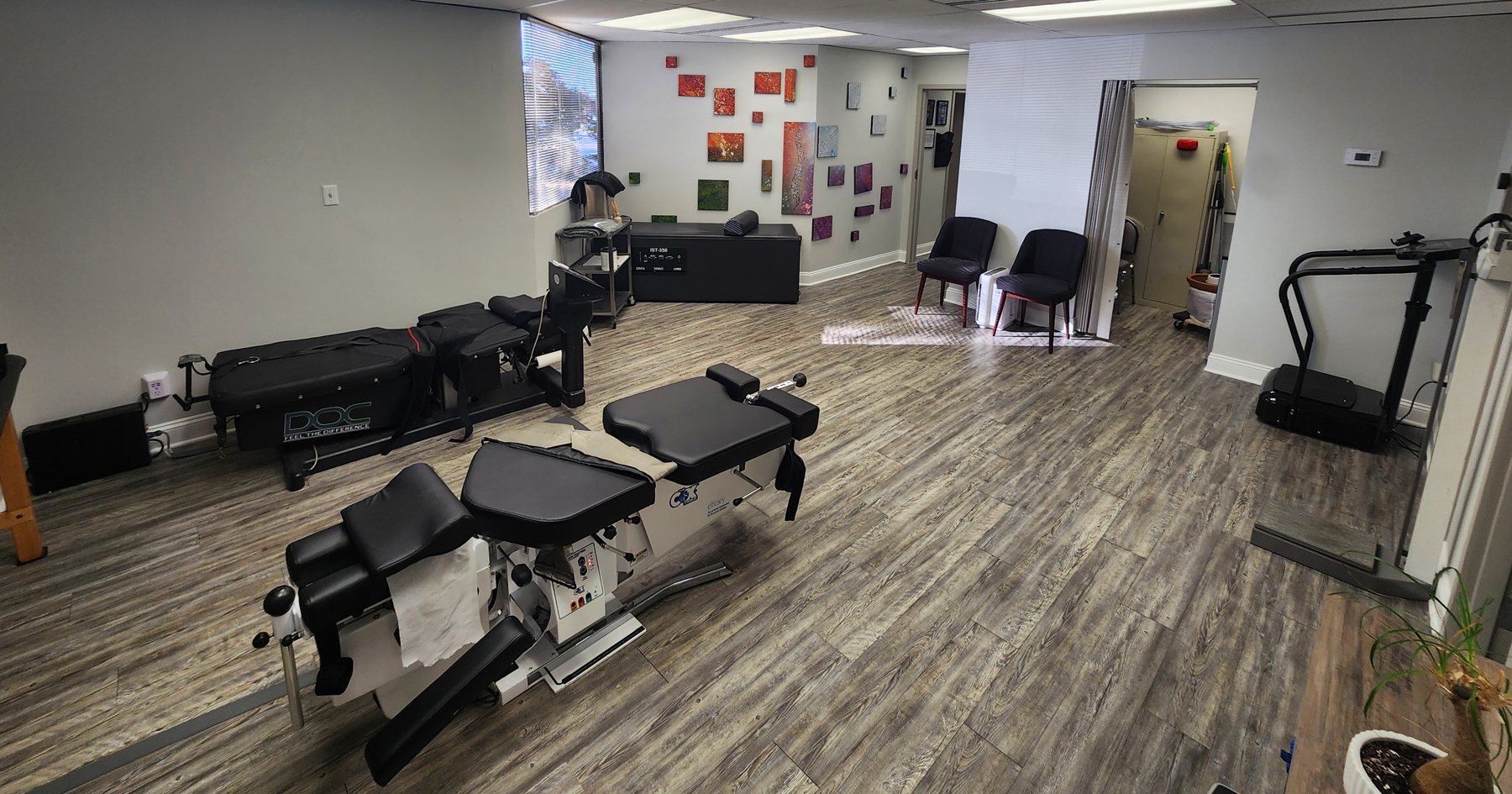
What a visit looks like
Your first visit is a sixty minute examination. Dr. Hayes takes a detailed history of the injury and the mechanism, reviews what your physicians have already found, and then examines the structures that impact affected: cervical range of motion, upper cervical joint mechanics, muscle guarding, orthopedic and neurological screening, and how you hold and steady your head. Nothing is rushed, and the office is quiet and by appointment only, which matters when light and noise are still hard to tolerate.
Care that follows is deliberately gentle. Low-force instrument adjusting with the Activator, Impulse, or PulStar, Sacro Occipital Technique, Logan Basic, and cranial work handle most of it, supported when appropriate by Class IV cold laser or interferential therapy for irritated tissue. Modalities are priced per treatment, so you always see what you are paying for. If your response tells us the problem is not mechanical, we say so and send you back to your medical team.
Questions, answered
Do I need to see a physician before coming here?
Yes. A suspected concussion is a medical problem and needs medical evaluation first. If the injury is recent, or if symptoms are worsening, go to a physician or emergency department before you call us. We are a supporting part of concussion care, never the first stop and never a substitute for it.
Are you treating my concussion?
No. We do not treat brain injury. What we address is the musculoskeletal side of the picture: the cervical joints, muscles, and cranial mechanics that can be injured by the same impact and that may contribute to symptoms while the brain injury itself is managed by your medical team.
My head already hurts. Is the adjusting forceful?
It does not have to be. For irritable post-injury necks Dr. Hayes typically works with low-force instruments such as the Activator, Impulse, or PulStar, along with gentle cranial and Sacro Occipital Technique contacts. No twisting and no cracking are required to restore motion in the upper cervical spine.
How long after the injury can I be seen?
That depends on your injury and on what your physician advises. Many patients come to us weeks or months out, once the acute phase has passed and symptoms have not resolved on their own. Timing is a decision to make with the doctor already managing your case.
What if my symptoms are not coming from my neck?
Then we tell you that and send you back to your medical team rather than sell you a plan. The examination exists to sort out how much of what you are feeling is mechanical and how much is not. An honest no is worth more than a course of care aimed at the wrong problem.
If the symptoms have outlasted the injury, have the neck examined.
One sixty minute examination helps sort out how much of what remains is mechanical. Book online or call the office.